Taking a gentle 10-minute walk shortly after finishing a meal is one of the most effective, low-effort health habits you can adopt. Rather than heading straight for the couch or sitting back down at your desk, stepping out for a brief stroll works directly with your body's natural metabolic processes. Research demonstrates that moving within 30 to 60 minutes after eating significantly moderates blood sugar spikes, stimulates gut motility, and eases post-meal lethargy.
You do not need athletic gear, high intensity, or long blocks of free time to reap these rewards. Even a light, conversational pace for ten minutes is enough to activate large muscle groups and prompt noticeable physiological benefits. When practiced consistently across breakfast, lunch, or dinner, these micro-walks transform routine daily movement into a powerful foundation for overall wellness.
How Post-Meal Movement Blunts Blood Sugar Spikes
When you eat carbohydrates and other macronutrients, your digestive system breaks them down into glucose, which enters your bloodstream and causes a natural postprandial (after-meal) rise in blood sugar. Under sedentary conditions, your pancreas must release substantial amounts of insulin to help shuttle that circulating glucose into cells for storage or energy.
Walking changes this dynamic immediately. When skeletal muscles—particularly large muscle groups in your legs like the quadriceps, hamstrings, and calves—contract during a walk, they stimulate the translocation of glucose transporter type 4 (GLUT4) proteins to the cell surface. This process allows your muscles to clear glucose directly from your bloodstream without requiring excess insulin.
A systematic review and meta-analysis published in Sports Medicine confirmed that light walking performed in temporal proximity to meals significantly flattens post-meal glucose excursions compared to remaining seated. By smoothing out these postprandial spikes, you avoid the sharp energy crashes and sluggishness that frequently follow heavy meals, supporting sustained alertness throughout your afternoon or evening.
Supporting Digestion and Reducing Gastrointestinal Discomfort
Beyond metabolic management, post-meal walking physically supports the digestive tract. Light movement stimulates gastric motility and gentle intestinal peristalsis—the involuntary muscular contractions that propel food through your gastrointestinal tract.
Remaining completely sedentary after eating can slow transit time, contributing to feelings of heaviness, indigestion, or abdominal bloating. Conversely, vigorous workouts immediately after a heavy meal divert blood flow away from the digestive organs toward working muscles, which can induce cramping or nausea. A mild 10-minute walk hits the ideal balance: it is gentle enough not to disrupt digestive blood flow while active enough to prevent physical stagnation and trapped gas.
Clinical observations suggest that spacing activity into three 10-to-15-minute walks after primary meals is often more manageable—and just as effective for digestive and glycemic support—as attempting a single, isolated 30-to-45-minute workout later in the day.
Using GoAtlas Steps Insights to Track Your Daily Rhythm
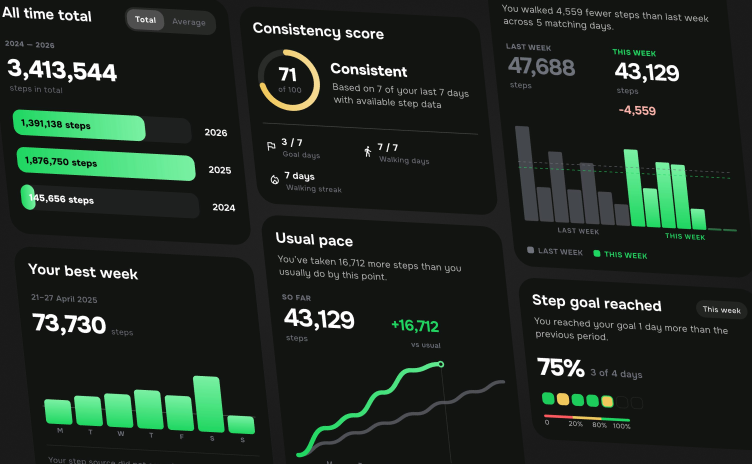
Building a new habit requires understanding how your movement is currently distributed across the morning, afternoon, and evening. In GoAtlas, you can explore the Steps Insights screen to review your usual pace by time of day, see how many days you reached your step goal, and track your overall consistency score alongside your all-time step totals.
When you begin incorporating a 10-minute stroll after lunch or dinner, checking GoAtlas Steps Insights makes it easy to see how those brief movement windows change your daily activity pattern. Rather than accumulating steps in one exhausting burst, you will notice a balanced, steady distribution across your day. Watching your consistency score reflect regular post-meal movement provides clear validation that small, repeatable bouts of walking reliably support your broader daily routine.
Realistic Strategies to Make Post-Meal Walks Stick
Consistency is built by lowering friction and attaching new actions to existing routines. To turn a post-meal walk into an automatic habit, consider these practical adjustments:
- Anchor to the meal itself: Treat walking as the final component of eating. As soon as you clear your plate or pack away your lunch container, immediately put on your walking shoes.
- Keep the pace conversational: This is not a cardio workout or a power walk. Keep your intensity low to moderate so your body can comfortably digest food while moving.
- Adapt to your environment: If the weather is poor or you work in an office, pace indoor hallways, walk around your workplace campus, or step on an under-desk pad. Movement does not require an outdoor trail to be effective.
- Protect the time window: Aim to start walking within 15 to 45 minutes of finishing your meal, capturing the period when blood glucose typically begins its upward climb.
Try this on your next walk
After your next main meal, set a timer for 10 minutes, step outside or into a clear indoor space, and walk at an easy, relaxed pace where you can comfortably breathe through your nose. Do not worry about speed or distance; simply focus on steady, continuous movement to help your body process your meal smoothly.