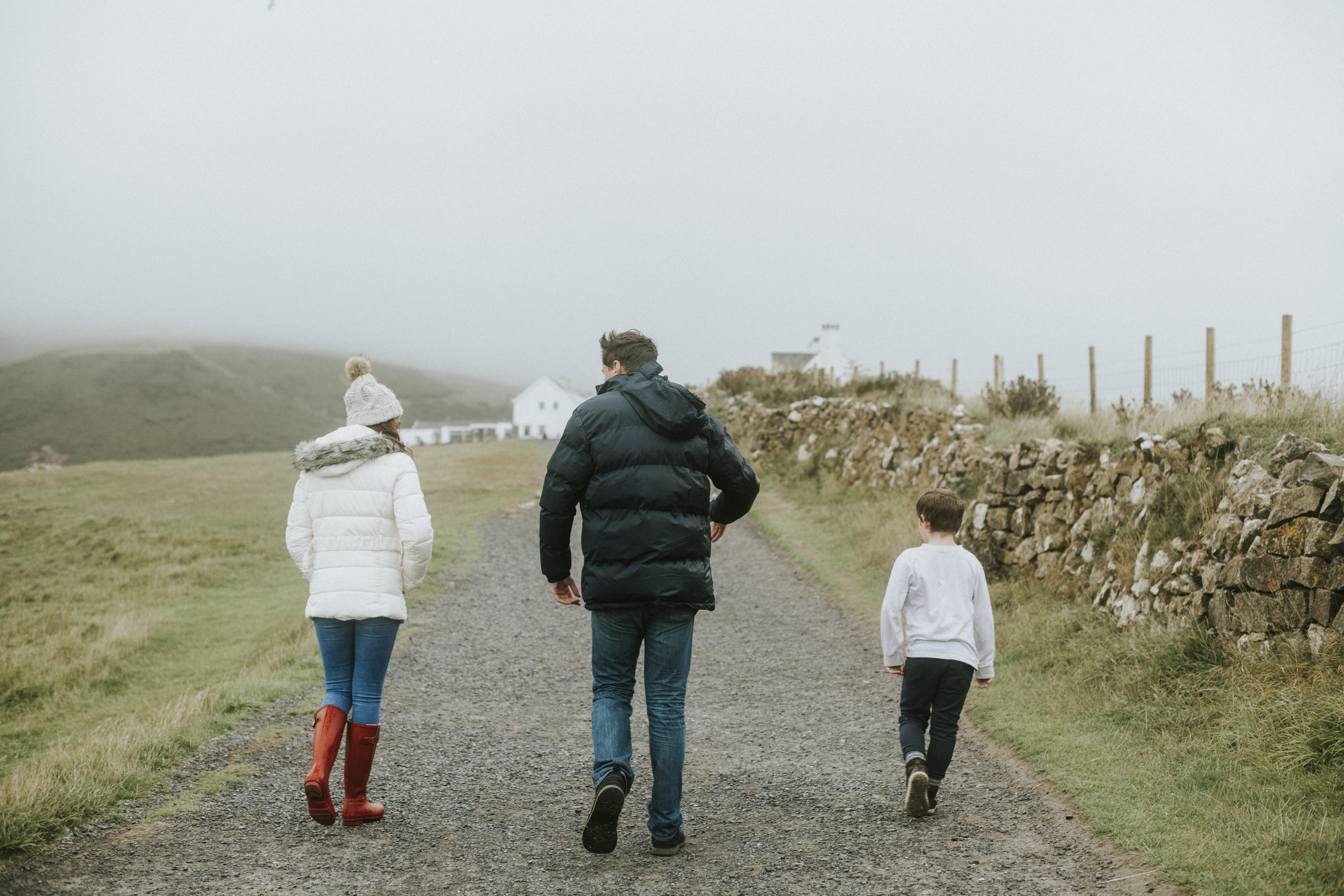
Transitioning your walking routine into autumn requires adjusting your schedule for shorter daylight, choosing moisture-wicking layers that adapt to changing temperatures, and watching for slippery ground hazards. When you make a few simple adjustments to your apparel and route choices, crisp fall weather provides some of the most comfortable, scenic walking conditions of the entire year.
As temperatures drop and twilight arrives earlier each evening, maintaining a consistent step routine comes down to proactive planning. By managing your comfort on chilly mornings and staying visible at dusk, you can keep your momentum moving without interruption throughout the entire season.
Master the Three-Layer Dressing Strategy
Autumn weather often brings brisk morning air that warms up significantly once the sun climbs or your body starts working. Overdressing is one of the most common mistakes during this seasonal transition. Physical exertion generates notable body heat, and when heavy clothing traps moisture against your skin, sweat evaporation can cause sudden, uncomfortable chilling.
A classic three-layer system keeps your core temperature balanced throughout a brisk walk:
- Base Layer: Choose a thin, synthetic, moisture-wicking fabric such as polyester or merino wool. Avoid pure cotton directly against the skin, as cotton absorbs sweat and holds dampness in place.
- Middle Layer: Add an insulating piece—such as a lightweight fleece or breathable technical pullover—that traps warm air without restricting arm swing.
- Outer Layer: Carry or wear a wind-resistant, water-repellent shell that blocks chilly breezes while allowing moisture vapor to escape.
A practical rule of thumb is to dress as though the outdoor air is roughly 15 to 20 degrees Fahrenheit warmer than the reading on your thermometer. You should feel slightly cool when you step out the door; your walking cadence will naturally bring your body up to a comfortable temperature within the first ten minutes. For chilly mornings, don't forget lightweight glove liners and a breathable headband to protect your extremities from brisk wind.
Scout Scenic Routes While Watching for Autumn Hazards
Autumn transforms familiar neighborhood sidewalks and park loops into stunning corridors of color, but seasonal changes introduce distinct walking hazards. Wet, decaying leaves can become as slick as wet ice underfoot, and thick ground cover can easily disguise broken pavement, raised tree roots, and curb edges.
To keep your strides stable, choose walking shoes with deep outsole tread rather than worn, smooth-bottomed sneakers. When navigating paths densely covered in wet foliage, shorten your stride slightly and land with a flatter foot to maximize traction.
Take advantage of the season by seeking out routes lined with mature deciduous canopies, community arboretums, or riverside greenways. Paved multi-use trails and well-maintained park loops offer the best balance of scenic fall foliage and clear, hazard-free footing.
Stay Visible as Daylight Hours Shrink
With sunset arriving earlier each week following the autumnal equinox, after-work walkers frequently find themselves navigating twilight or dusk. Reduced ambient light makes it harder for motorists, cyclists, and other pedestrians to spot you, while also lowering your ability to detect uneven terrain.
Make high visibility a permanent part of your cool-weather routine. Switch out dark jackets and hoodies for bright fluorescent outer layers, or add reflective ankle bands and clip-on LED safety lights to your waist pack or jacket hem. Movement-based reflectivity—such as reflective details on your shoes, wrists, or ankles—helps drivers recognize you as a moving pedestrian from a far greater distance.
If your schedule requires walking before dawn or after sunset, stick to brightly illuminated neighborhood loops or dedicated pedestrian corridors rather than unlit nature paths.
Track Autumn Consistency With the GoAtlas Step History Calendar
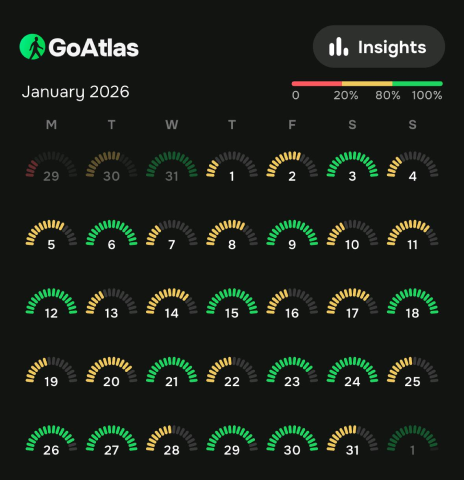
When brisk winds, rain, or early darkness tempt you to stay indoors, maintaining a walking routine is easier when you focus on weekly continuity rather than perfection. In GoAtlas, the step history calendar offers a clear, motivating way to visualize your daily walking habit across the month.
The GoAtlas monthly calendar shades each day based on your progress toward your personal daily step goal. Seeing your days fill in creates a satisfying record of your dedication through seasonal shifts, helping you identify patterns in your walking schedule—like noticing whether weekend afternoon walks reliably balance out shorter weekday morning strolls.
Rather than feeling discouraged if an autumn storm cuts a walk short, looking at your GoAtlas step history helps you view your walking journey as an ongoing trend. When cooler temperatures settle in, this straightforward visual check-in reinforces your momentum and keeps your healthy habit thriving.
Adjust Your Hydration and Warm-Up Habits
Because cooler air feels refreshing and sweat evaporates quickly in brisk breezes, walkers often fail to notice how much fluid they lose during an autumn outing. Cold air draws significant moisture out of the respiratory tract with every exhale. Make it a habit to drink a glass of water before heading out the door and rehydrate promptly when you return home.
Additionally, cold muscles and tendons are naturally less compliant than they are during warm summer months. Take three to five minutes before your walk to perform gentle dynamic movements indoors—such as ankle circles, leg swings, and marching in place. Starting your first quarter-mile at a relaxed pace allows your cardiovascular system and joints to ease smoothly into your target tempo.
Try this on your next walk
Before stepping outside for your next autumn walk, adjust your apparel using the 20-degree rule: check the current temperature, dress for weather 20 degrees warmer using lightweight, non-cotton layers, and tuck a pair of thin gloves into your pocket so you stay comfortably balanced from start to finish.